
Similar to various aspects of daily existence or types of motorbikes, sport bikes are constantly updating themselves. In their particular field, that means getting faster around a racetrack, along with a more powerful engine to fire out of the corners and underpinnings that can haul you down to the speeds required for max attack. Oh, and all the electronics required to not only help you go faster, but also keep the rubber side down.
Nevertheless, this overlooks an evident aspect of reality: not all individuals possess the fitness level of professional racers, nor do they frequently visit the race track to fully exploit such immense capabilities. Fortunately, there is a niche category within sport motorcycles that balances high-performance attributes with daily usability. This implies that you will enjoy equally thrilling experiences at the racetrack Or on the Canyon Road outside your city. Additionally, they provide ample power to keep you grinning even when racing on a track. Here’s an illustration of precisely that.
To guarantee precision, the details gathered for this piece were obtained from reliable sources such as the official websites of the respective manufacturers.
The Suzuki GSX-R750 is the sports bike that makes for a wise investment in 2025.
Price: $13,149
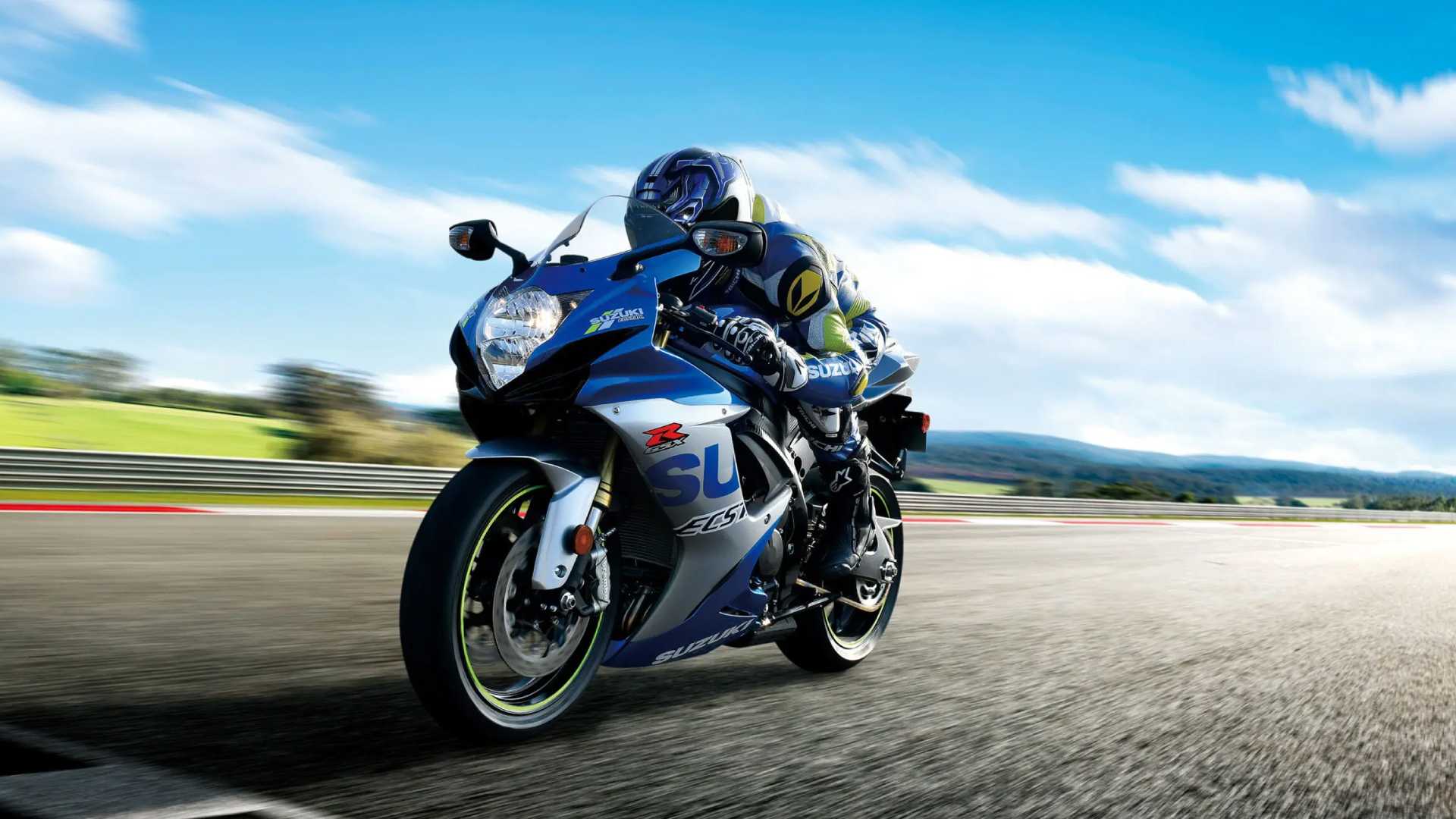
The The GSX-R750 is the pioneering supersport motorcycle. It made its debut 40 years ago and set the stage for the supersport bike design that we still use today. Essentially, the first one was revolutionary. Honda Fireblade CBR900RR and Yamaha YZF-R1 Their philosophy stems from the GSX-R750. To provide some background, when the original 750 debuted, the supersport category was akin to today's liter bike class.
Initially, things were different, yet Suzuki maintained the engine size for this particular model. Instead of altering it, they positioned a 600cc variant beneath it and a 1000cc one above it. Other manufacturers followed suit but decided to phase out their 750cc models. Consequently, there isn't really an immediate rival to this motorcycle, a situation that has persisted for quite some duration now. Hence, Suzuki saw little reason to update the GSX-R750 in a while.
In today’s market, the GSX-R750 stands out as a remarkable option in 2025 due to several features that make it appealing, particularly for riders not inclined towards frequent upgrades. This motorcycle boasts ample power to provide endless enjoyment both on streets and tracks. Its comfort level is suitable for everyday use, and it delivers respectable gas mileage aided by its well-distributed torque output.
Furthermore, you benefit from impressive reliability since this version has been available for almost 15 years. With not many components prone to failure, maintenance remains budget-friendly. Additionally, robust after-market support makes customization to fit individual preferences quite straightforward. Lastly, there’s uncertainty about when production might cease completely, which could affect future availability in the marketplace. The straightforward and dependable sports motorcycle will be appreciated. , so it could have collectible value if you're interested in that sort of thing.
The Suzuki GSX-R750 Produces Almost 150 Horsepower
It All Spreads Evenly Over the Revolutions

Sure, here’s your revised paragraph: This engine was last modified in 2011; however, at that time, Suzuki opted for a meticulous upgrade rather than one with unlimited budget constraints. Specifically, they implemented an electronic throttle control connected to the Suzuki Dual Throttle Valve mechanism. Kawasaki Ninja ZX-14R’s , featuring additional computer-managed throttle valves located after the main manually controlled ones to ensure smoother power distribution. These valves were replaced with lighter titanium versions for reduced mass.
The electronic throttle provides two driving modes, and there is no traction control available. GSX-R750 The motorcycle features a six-speed transmission equipped solely with a slipper function, powering the rear wheel through a conventional chain drive similar to other sports bikes. Furthermore, it incorporates Suzuki’s Exhaust Tuning Valve which adjusts opening and closing to enhance torque across various engine speeds. Completing this setup is a stainless-steel exhaust system culminating in a lightweight titanium silencer.
Suzuki GSX-R750 Engine Specifications
A Lightweight, Agile Frame Characterizes the GSX-R750
Cozy Everywhere, No Matter The Circumstance
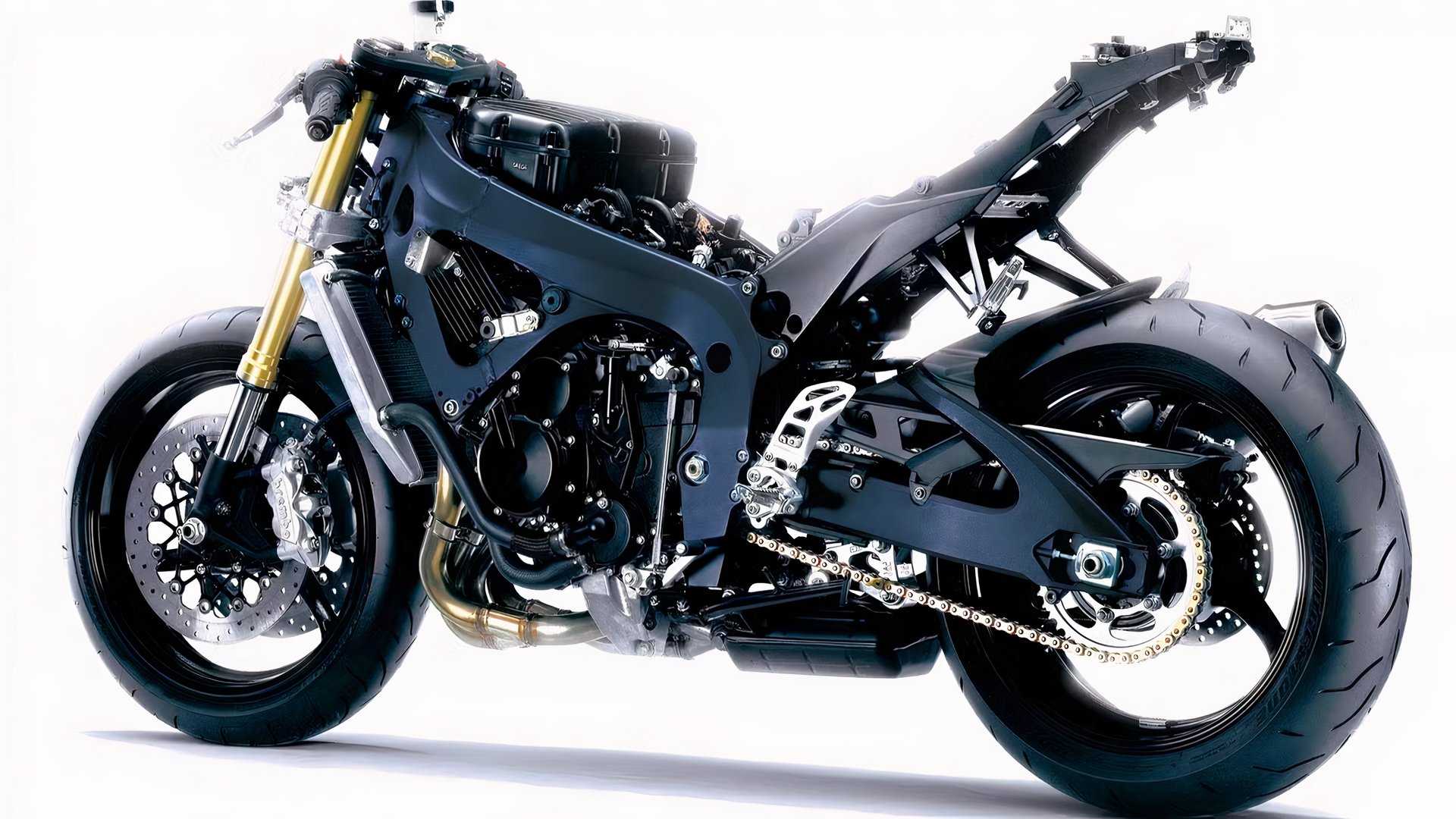
The GSX-R750’s The twin-spar aluminum frame of this model draws from the 600 series, giving it the characteristics, balance, and nimbleness typical of a 600cc supersport motorcycle. In the 2011 update, Suzuki shortened the wheelbase slightly, enhancing its responsiveness around turns. This improvement is complemented by the use of fully adjustable Showa suspension components. Specifically, the front features a Showa Big Piston fork offering complete adjustability. Meanwhile, the rear shock absorber, another Showa product, comes with full adjustability as well as an external remote reservoir for optimal performance.
The braking system features 310 mm fully floating disc brakes up front, paired with radially mounted Brembo Monobloc calipers for enhanced stopping power. In the back, a Nissin single-piston caliper handles deceleration duties. Notably absent is any form of Anti-lock Braking System (ABS), which would have been a welcome addition akin to what you might find on the GSX-R750. does We have and value a speed-dependent electronic steering stabilizer.
Suzuki GSX-R750 Frame Specifications and Measurements
An Essential Minimalist Approach Makes Sure The GSX-R750 Remains Utterly Unfiltered And Pure.
600 cc Lightweight, 1000 cc Speed

This may appear as an excessive section, considering the absence of the GSX-R750’s In contrast to modern bikes, this one comes with some distinctive features. Although the instrument cluster retains a vintage look with an analog tachometer, it includes additional conveniences like a programmable shift light and a lap timer/stopwatch. Interestingly, Suzuki omits a fuel gauge from the standard equipment; instead, only a low-fuel warning light is provided.
The taillight consists of an LED unit, whereas the headlight uses halogen bulbs—one for low beam and another for high beam. The turn signals are mounted on the front mirrors, so participating in track days could pose some challenges if you plan to take off the mirrors. On the back end, these indicators are incorporated into the cowling beneath the passenger seat, making it straightforward to fit a tail tidy kit yourself at home. An additional point worth considering regarding the GSX-R750 is its customization potential.

The footpegs are three-way adjustable, so they can be made comfortable for a large variation of rider heights. The exhaust valve can seize up if the bike is not ridden regularly. And if you aren’t happy with the stock bike’s power and handling, then a front fork cartridge kit, race exhaust, Power Commander (if you can find one), steel brake hoses, and better brake pads should sort you right out. This also applies if you’ve owned one for a while and want to upgrade your experience – just remember that the 24,000-mile valve clearance check can be a costly affair.
There are two editions of the GSX-R750 Both models come at the same price point. The regular GSX-R750 can be found in shades of gray/black or white/black/red, whereas the GSX-R750Z sports the classic Suzuki blue/white palette. Notably, the version featuring red includes crimson rims as well. Apart from their distinct coloring, these variants do not differ otherwise. An accessory pillion seat cowl matching your chosen paint job is also up for grabs.
The most recent significant upgrade occurred back in 2011, which resulted in reduced weight for better agility and responsiveness. Additionally, this version introduced features such as a lap timer on the dashboard and various riding modes. Afterward, only cosmetic changes have been made through different color schemes. Honestly speaking, aside from incorporating essential safety measures like Anti-lock Braking System (ABS), it does not require many improvements. The primary uncertainty now lies in determining how long it will continue to be available for purchase within the U.S., since sales were halted in Europe due to stricter emissions regulations. Furthermore, there hasn’t been any indication yet of upcoming updates.
2025 Suzuki GSX-R750 Competition
No Direct Competitors Today
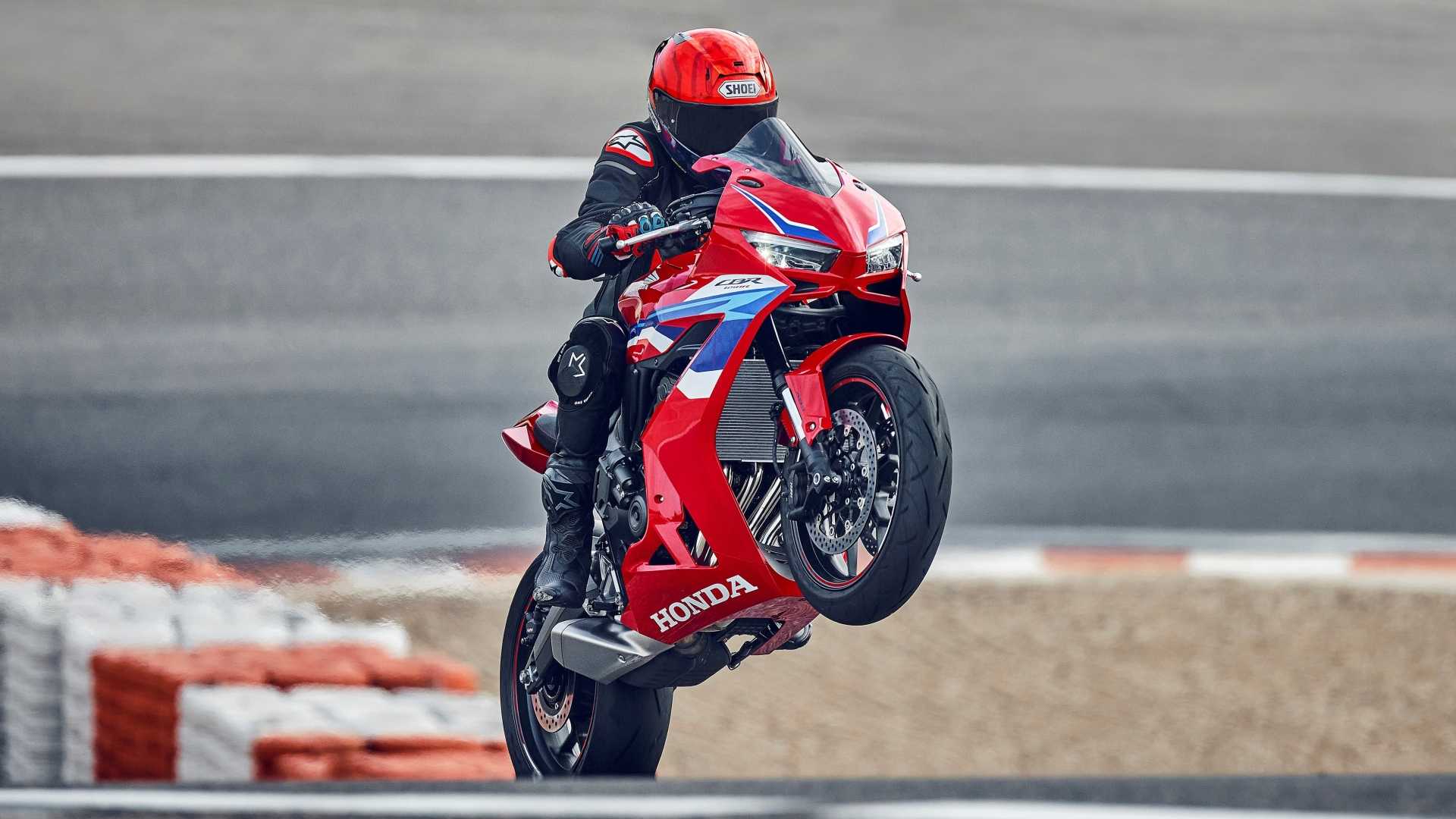
The GSX-R750 stands alone in its category, making it hard to find direct competitors. In contrast, 600cc models are somewhat easier on the wallet, with prices starting around $11,499 for some options. Honda CBR600RR and $11,399 for the Kawasaki ZX-6R However, these are single-purpose track-focused weapons that trade off daily drivability and comfort, which sets them apart from the 'Zook. In looking at this situation from two contrasting viewpoints, we have the Honda CBR650R E-Clutch , which is the practical, everyday sports bike that focuses on usability with its automatic gearbox and low purchase price.
On the opposite end of the scale is the Ducati Panigale V2 This model stands as the reigning champion in the middleweight class, packed full of advanced technology and designed primarily for track days yet comes with a hefty price tag. In contrast, the Suzuki finds itself nestled between this top contender and another rival. It blends the daily usability found in similar models like the Honda with an equal desire to outperform larger displacement bikes on the race circuit. Unlike many modern options, it continues to rely heavily on the expertise of the rider along with precise coordination among the rider, engine, and frame to deliver a satisfying ride—whether cruising public roads or tearing up tracks.